
Victor Koech
June 20, 2024
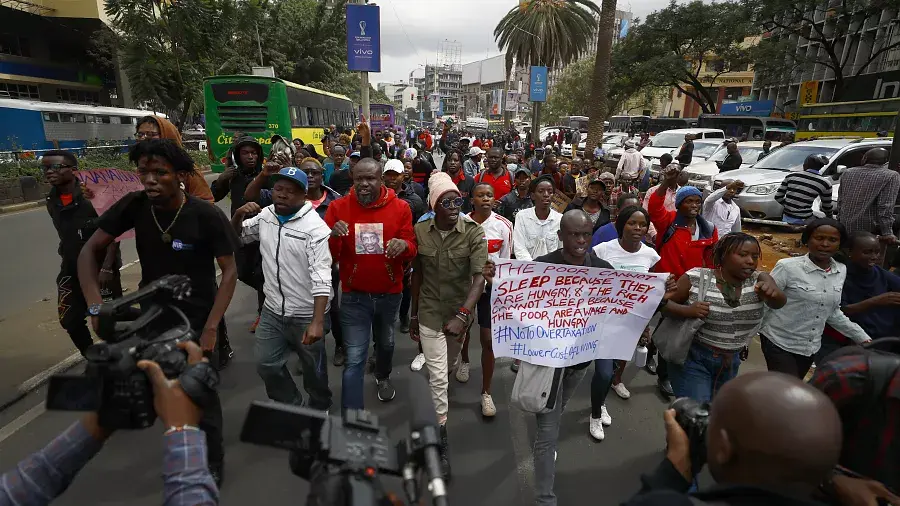
Young people came into the streets of Nairobi on Tuesday, June 18, armed with creative ideas, diverse social media skills, iPhones, and the backing of their peers, to protest the Finance Bill, 2024.The movement is about more than only rejecting the Finance Bill of 2024; it is also about maintaining political consciousness in order to safeguard the Constitution.
While the slogan "revolution will be televised" has long been a cliché on social media, the latest protests have given it new life. The demonstrators used social media channels not only to plan demonstrations and track their progress, but also to collect solidarity along with call out anyone who stood in their way.
The streets of Kenya's capital saw a massive clash as peaceful protestors calling for the repeal of the Finance Bill 2024 were confronted with savage brutality by state police. Approximately 300-400 protestors were arrested during a rally against the government's proposed punitive tax policies.
The protesters carried on throughout the day, refusing to let their right to "assembly, demonstration, picketing, and petition" (as guaranteed in article 37 of the constitution) be violated, even in the face of violent police attacks using tear gas and water cannons. This article states that everyone has the right to peacefully gather, demonstrate, picket, and present petitions to public officials.
The tension and public discontent put significant pressure on the administration, culminating to a conference organized by President William Ruto with members of parliament, which resulted in some "compromises" in the government's stance on the disputed financial measure. A number of proposed taxes, pertaining to motor cars, mobile money services, and cooking oil, were withdrawn, as they confirmed. The concession was plainly a direct response to the growing public uproar across the nation.
However, selectively eliminating these taxes did little to please the public. Many see it as a calculated attempt by the government to appease the public while continuing implementing other contentious policies.
The entire 2024 financing measure is still overwhelmingly criticized by the general public. The protesters' message is clear: they want a thorough revision of the planned financial policies, not just a partial reduction in individual taxes.
Reasons for the widespread rejection of the neoliberal Finance Bill
The Finance Bill 2024, like its predecessor in 2023, has sparked debate and anger throughout Kenya due to its severe and, some believe, draconian measures. This broad discontent stems from the reality that the planned extra taxes will add to an already high cost of living.
Among the many suggested changes are revisions to the way taxes are administered in Kenya, as well as substantial adjustments to the Income Tax, Value Added Tax (VAT), and Excise Duty. One of the bill's most problematic ideas is the establishment of a 16% VAT on financial transactions and basic commodities. Many people protested because they fear this will exacerbate their financial problems rather than ease them.
Given its massive and frequently needless spending, the government's argument for tax increases—that Kenya must live within its means—is contradictory. For the fiscal year beginning in July, for example, the government has raised its borrowing target to Sh 597 billion, a large amount that begs the question of fiscal prudence. A closer examination at government spending finds major expenditures that contrast strongly with the message.
Worse yet, according to the most recent budget control data, travel incentives for both domestic and international travels have increased significantly, going up by Sh 1.62 billion from Sh 12.4 billion expended in the same period last year. The Parliamentary Service Commission's spending has increased by 18.5% to Sh 1.86 billion, while the cost for Members of Parliament has risen by 4% to Sh 4 billion. Such numbers reveal a trend of excessive spending that contradicts the government's claim of financial discipline.
Furthermore, the International Monetary Fund (IMF) has supported the law, despite overwhelming public opposition. Many Kenyans believe that the country has been essentially mortgaged to the International Monetary Fund (IMF), thus this support is not shocking. Last year, the IMF did the same. In the past, the IMF's involvement has resulted in economic policies and austerity measures that are perceived as an assault on the working class and the peasants alike, frequently making things more difficult financially for the common person.
The significance of the current organized resistance to the fight for liberation
The organization of the current protest wave sets it apart from earlier ones. In contrast to previous protests against the government, which were mainly organized by opposition party leader Raila Odinga, these ones have been spearheaded by various organizations, especially on online platforms, who have been successful in converting their digital activism into real, on-the-ground action. This campaign has seen a surprisingly high degree of participation from "Gen Z" and the middle class, who have traditionally been underrepresented in such demonstrations.
The pressure on the Kenyan administration to address the widespread economic concerns will only increase as long as the protests last. In the previous two months, grassroots organizations have staged three big protests, one against state demolitions of the downtrodden informal settlements and one in response to the recent flood crisis, which killed many people and ruined assets of unknown value. The quest for total liberation continues.
The Kenyan Resolution for the Finance Bill:
As we keep the pressure on the government to ensure it operates competently, transparently, and justly, let us use this surge of unity among Africa’s finest young people, the Kenyan youth, to push the following 3 primary objectives among others, all of them centered around cutting government expenditure, creating a transparent environment that makes it easy for citizens to hold the leadership accountable, and developing a thriving local industry.
1. All Kenyan MPs and other high-ranking government officials should take A GENUINE PAY CUT, including those who have joined us to reject the bill. As we fight to remove punitive clauses in the Finance Bill 2024, let us add another clause that seeks to reduce the amount of money MPs, Senators, MCAs, Reps, etc., and other government officials take away from the taxpayer. We import cars and fuel; hence common sense should dictate that government officials drive smaller cars. If we see them with V8s, we stone them. If you want a V8, resign and come live the private life. Get Okiya Omtatah to table this in parliament – he seems to be the only MP left with a conscience. Members of his constituency to please help us call/text him to take this matter seriously, and we’ll immensely be grateful to him.
2. On matters of transparency: Another clause needs to be added to the bill to GUARANTEE that all county budgets/resources are in the public domain, since they don’t deal with secret budgets like that of the military. Parliament should find a way to do this. Our governors are taking too much from us already behind the shadows. They even hire ghost workers because we don’t know. We need to know how much money goes into counties and nonmilitary ministries. Let us keep circulating good accurate content on the issues we face. Remember, AN INFORMED SOCIETY IS A CIVILIZED SOCIETY
3. Finally, add a clause that ensures local industries like Jua Kali get protection from foreign competition. There is no point, for example, for an American/European company/NGO to come to Kenya and manufacture Jikos in the name of fighting climate change – that’s work that our local engineers/artisans can be doing if our government could implement just some little regulations against some of these parasitic western companies. If they come to manufacture electronics/cars in Nairobi, we welcome them. If the come to sell vegetables and the so-called eco-friendly cooking stoves, our MPs should keep them off. Again, Okiya Omtatah to help us table something.
To conclude, this is a final reminder that the task of liberating ourselves from the shackles of modern economic enslavement belongs to all of us. We can NEVER rely on politicians, celebrities, billionaires, donors, intellectuals, etc. We must stand up for each other and ensure that we smoke out the corruption and ineptitude that has held us back for too long. This is our DUTY.

Ibrahim Traore, a Fulfilment of a Revolutionary’s Enduring Prophecy and the Emerging Face of True Pan-Africanism
1984: Is Kenya Descending into Orwell's Dystopian world?
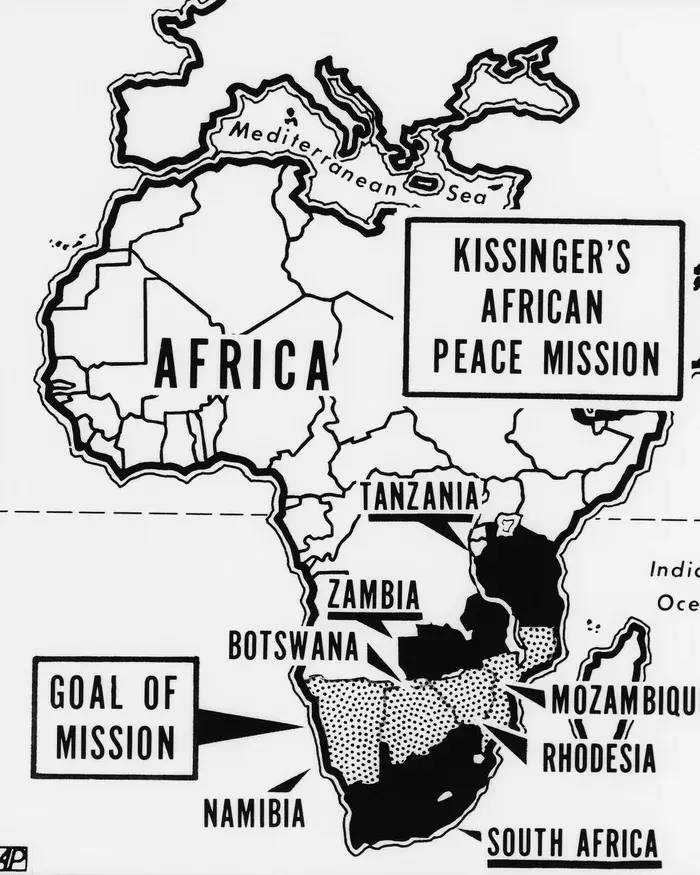
Kissinger Report, the Diabolical Policy Agenda to Depopulate Africa
Increasing Domestic Borrowing Starves Kenyans Access to Private Business Loans

Push for a Cashless Society Threatens More Control, Taxation, and Surveillance of the Citizens
Money Lies That Keep You in Poverty