
Victor Koech
September 23, 2024
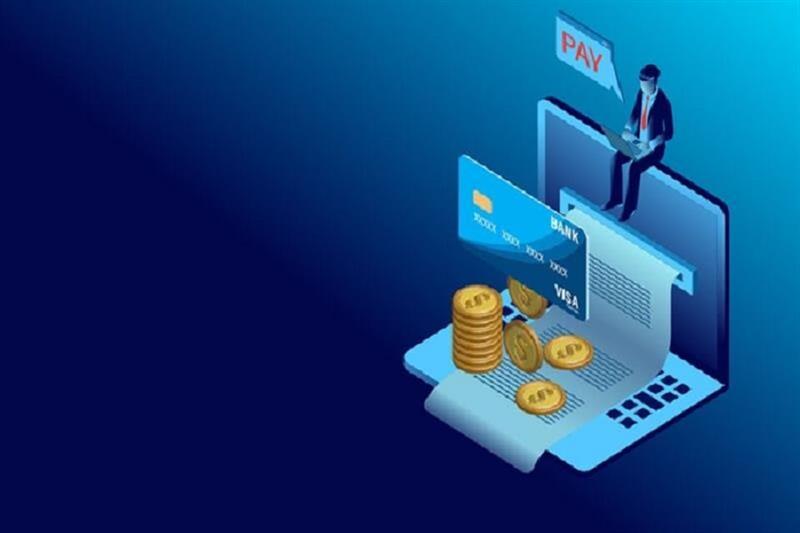
In many economies today, particularly industrialized ones, it is becoming a commonplace to be told "Sorry, we don't accept cash" when attempting to pay for goods and services. So, what happened to "legal tender for all debts public and private," as stated right on the paper cash notes?
The PR campaign for a cashless society claims that it will shorten wait times in restaurants, although millions of people do not have bank accounts. There are elderly folks who budget with cash. They are also the folks who receive payment in cash. But what's scary is that it may start with a few small businesses here and there, and before we know it, we won't be able to pay cash for anything.
There are numerous reasons why cashless establishments, and a cashless society in general, are a bad idea.
It's bad for privacy. When you pay with cash, there is no intermediary involved; you just pay, and then you get the goods or services. When a middleman becomes involved in a transaction, that intermediary frequently learns about it—and, under our lax privacy regulations, has a lot of discretion to exploit that information as it sees right.
It's awful for low-income populations. Belonging to a cashless society requires a certain degree of financial stability and involvement in bureaucratic financial institutions, which is unattainable for many individuals. Many low-income and elderly persons may not have access to a valid form of identification, and the additional paperwork required to open a bank account—such as a utility bill or other evidence of address—also makes it difficult, if not impossible, for the homeless to use electronic payment networks. Banks also levy fees, which can be substantial for low-income individuals. According to Federal Reserve research, the existing credit card system transfers money from low-income to high-income families, as retailers often pass on credit card fees to all customers through their prices.
It's bad for many merchants. Merchants pay credit card issuers approximately 2-3% of each transaction, which can be a hefty "tax," especially for low-margin firms. With the credit card industry controlled by an oligopoly of 2-3 businesses, there is insufficient competition for keeping these "swipe fees" low. Small merchants are generally unable to negotiate reduced costs with credit card providers, resulting in fees that exceed profits. Many businesses may suffer if cashless stores are permitted to expand, as they discourage or outright reject credit cards because of the fees associated with them.
It is less resilient. Electronic payment methods can lead to centralized points of failure, including both technical and security issues. Individuals would be more vulnerable to economic failure in a cashless society since they wouldn't have any other payment options in the event that a hacker, bureaucrat, or natural calamity blocked their account.
One of the most significant disadvantages of cash, according to proponents of noncash payment systems, is the danger of loss or theft. That security risk exists, and we will not urge anyone to always use cash, especially for significant purchases. However, security concerns are not limited to one side. The harms that can occur from privacy breaches (abuses, profiling, shame, financial losses, etc.) should be included in the idea of "security," as correctly defined. And unlike cash, payment networks pose security hazards; just ask anyone who has ever been the victim of identity theft and had to deal with the harrowing combination of creditors, debt collectors, credit bureaus, and more.
The development of cashless institutions comes amid ongoing hype about the alleged arrival of a "cashless future" and agitation by certain very powerful interests who would like to see cash disappear. Credit card firms, of course, love it, and technology sector associations have also lobbied for it.
Many of us now rarely use cash, and shops, cafes, and transportation providers are increasingly refusing to accept it. In several countries, such as the UK, the use of cards and contactless payments has already surpassed that of cash. Among Kenyan consumers, the proportion of purchases made using cash at point-of-sale terminals fell by 5% from 2019 to 2023. Covid accelerated our migration to digital payments—even PIN pads were judged unsafe, and life became completely contactless. However, this did portend a window of opportunity for the IT sector. In an effort to facilitate "smile to pay," Mastercard is now encouraging customers to associate their face biometrics with their bank accounts.
Creepy? Yes, but everything seems so convenient. Card firms offer "frictionless" transactions and "speeding" through checkouts. You may forget about carrying cash or being a victim of theft. Moreover, you won't even need a card or to remember a PIN anymore. You may also keep track of every dime you spend with digital banking apps. But does it merely track your spending?
The transition to a cashless society necessitates more granular surveillance than previously possible. Everyone from your bank to your spouse to the state can more readily keep tabs on your every move when digital records of your travels, meals, purchases, and payments are everywhere. No amount of irregular revenue is safe from digital scrutiny; even a few shillings borrowed from relatives or sold on eBay will leave a digital footprint.
Under an all-encompassing financial surveillance system, tax evasion, black markets, fraud, and financial crimes may be eradicated. However, the issue with cashless societies is that they are surveillance societies. In a cashless society, governments, banks, and internet firms can not only watch, but also preemptively control, what you earn and spend.
According to Agustín Carstens of the Bank for International Settlements, a centralized digital currency allows the bank "absolute control over the rules and regulations of the use of that expression of central bank liability, and also we will have the technology to enforce that."
Companies in the financial sector have previously shown an interventionist stance toward consumers' expenditure habits. The freezing of WikiLeaks' PayPal account in 2010 was one of several instances of cancel culture leading to the locking of digital wallets. In addition, in 2022, the Canadian government seized bank accounts affiliated with the truckers' "Freedom Convoy" in an effort to quell the anti-mandatory vaccine movement.
Who exactly owns the digital money you use? The question quickly becomes, who observes your spending, regulates your spending, and who watches over all of that?
Carrying cash is becoming less common, which is a disempowering consequence of our technology future and puts individuals who are already vulnerable at even greater risk. People in oppressive settings, such as abusive homes, find it more difficult to organize an escape when they are unable to hide some monetary flow from prying eyes. Without cash inside our pockets, the absence of casual empathy is particularly hurting charities and rough sleepers. People who do not have a bank account or refuse to utilize digital IDs are excluded.
We ought to be more cautious with our desires and give more thought to the financial future we are building. The general public has significantly more privacy, control, and actual ownership of their money when they use cash rather than face biometrics.
Ultimately, the technocratic "dream" of a cashless society is one in which we abandon what remains of the anonymity that has defined urban life since the beginning of modernity, as well as our independence from the tyranny of centralized companies such as banks. Going without cash can be convenient occasionally, but if we eliminate cash as an option, we will regret it later.

Ibrahim Traore, a Fulfilment of a Revolutionary’s Enduring Prophecy and the Emerging Face of True Pan-Africanism
1984: Is Kenya Descending into Orwell's Dystopian world?
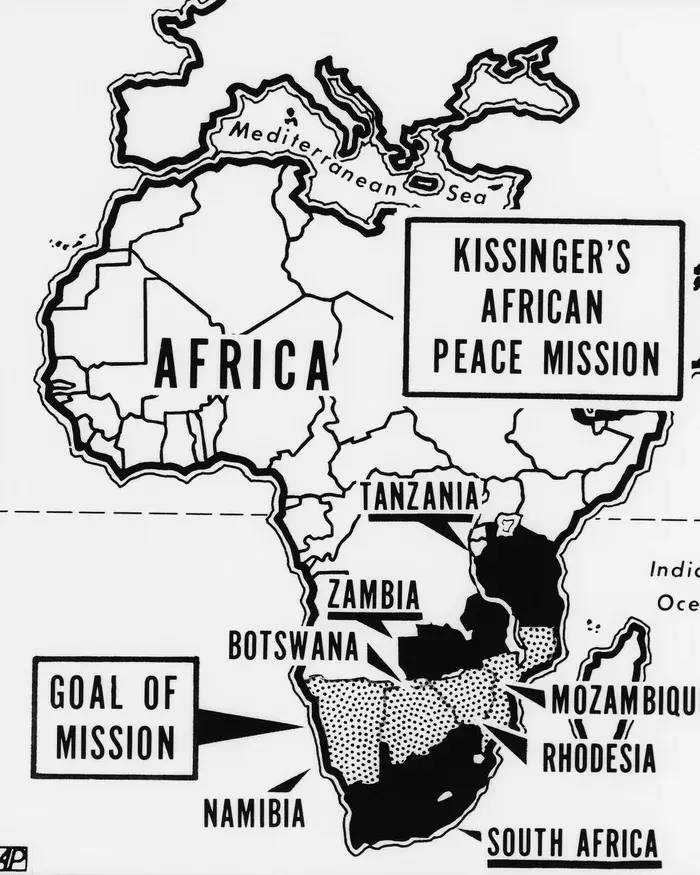
Kissinger Report, the Diabolical Policy Agenda to Depopulate Africa
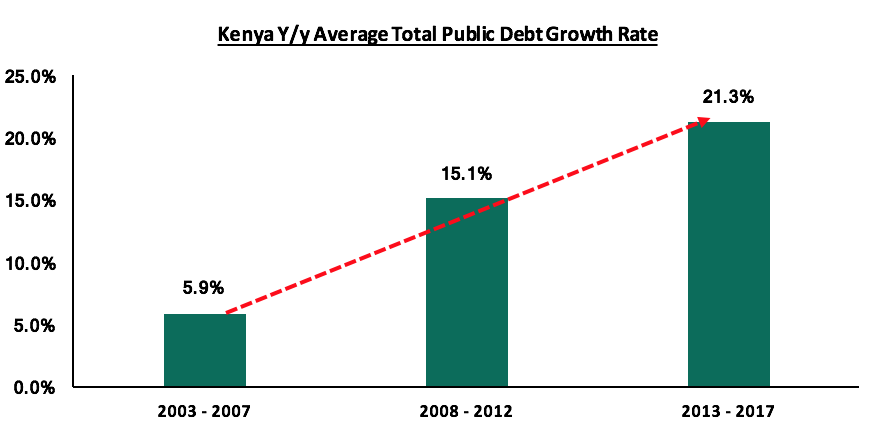
Increasing Domestic Borrowing Starves Kenyans Access to Private Business Loans
Push for a Cashless Society Threatens More Control, Taxation, and Surveillance of the Citizens
Money Lies That Keep You in Poverty