

Victor Koech
August 10, 2024
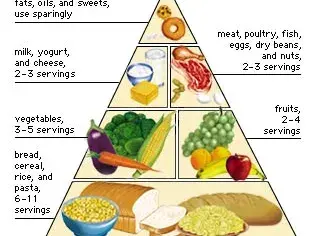
The food pyramid scam is the worst medical crime in recorded history, in my opinion. The 1992 USDA food pyramid, which was heavily influenced by lobbying from the food industry, advocated a high-carb, low-fat diet, which increased obesity and health problems. In contrast, current guidelines support a shift towards high-quality, low-carb diets in order to combat misinformation from the industry.
This deception, which has made food conglomerates wealthy, is gradually poisoning us.
Large food conglomerates like Nestle, Kellogg's, and others have been sponsoring a massive disinformation campaign to trick you into believing their products are healthful. Their aim is to turn you into a billionaire while making billions of dollars. It's literally right out of Big Tobacco's playbook.
Now imagine discovering that the United States Department of Agriculture (USDA) was using the emphasis on 6–11 servings of carbohydrates as a marketing gimmick to spur the development of low-fat products and divert attention away from dietary diversity. Imagine a government organisation that was created to protect the public's health going forward purposefully causing harm to an entire generation during the previous thirty years.
There's no need to dream; this is real. USDA disregarded the counsel of its own consultants, who cautioned them that their actions would cause an obesity and diabetes epidemic. This is bad enough as it is, but when you realise how closely the Lie is linked to the rising number of cases of dementia and depression, it gets even worse.
Yes, we do live in such a world. Any type of modern illness, including lifestyle diseases, can be linked to a corporate profit-making scheme.
Because of the substantial influence of food corporations, the USDA's food pyramid was modified to favour processed foods. As a result, the 1992 food pyramid started to promote obesity and other health problems.
The American Diabetic Association continues to promote the idea that people with diabetes can consume carbohydrates. It is not necessary to have a medical degree to comprehend why this is a bad idea. Put simply, sugar can be readily produced from carbs, and you do not want that in a diabetic.
Eating a lot of meat, especially high-fat meat, never makes someone angry. The opposite is true for people who consume large amounts of carbohydrates, as their bodies break them down more quickly, making them feel constantly hungry and raising blood sugar levels.
Bread, pasta, and rice are examples of foods high in carbohydrates, which trigger a hormonal cycle which almost always results in health issues. You overindulge in carbohydrates, which raises blood sugar levels. Insulin extracts and stores the extra blood sugar within the cells. When blood sugar levels are too high and there is nowhere to store it, the excess is turned into fat. In the event that this keeps happening over time, the pancreas will need to release more insulin in order to further control the elevated blood sugar level in addition to causing you to store body fat.
In addition, these grains contain dangerous proteins identified as lectins that gradually accumulate and damage the lining of your stomach, increasing the permeability of your gut, and phytates, which bind to minerals and make food difficult to digest. When the lining of your digestive tract becomes permeable, harmful bacteria that should stay in your gut can enter your bloodstream, causing systemic inflammation. Biological systems experience increased stress, which in turn increases levels of the stress hormone cortisol. This, in turn, causes cravings for carb-dense foods, which perpetuates the cycle.
Over time, high blood sugar will cause insulin resistance, which will ultimately result in type 2 diabetes. Because of the permeability these grains create in the gut, the body will become inflamed throughout, adding stress to normal biological processes. Over time, heart disease, high blood pressure, high triglycerides, and most likely metabolic syndrome can result from this combination.
Therefore, the Food Pyramid was essentially a marketing ploy created by the Department of Agriculture, not scientists. The marketing strategy had the effect of encouraging people to depend mostly on carbohydrates to meet their nutritional needs.
Because of this, a lot of people nowadays eat too many carbohydrates, which are converted to glucose. They consume more carbohydrates than their body can use to make the necessary amount of glucose. This explains why, for the past three or four decades, people have been catastrophically becoming fatter and fatter, and that is largely due to the adoption of the Food Pyramid.
Such false information and misleading marketing are still prevalent today, particularly in light of the unjustified demonisation of naturally high-fat and high-nutrient foods like those derived from animals. Thankfully, those who support nutrition continue to advocate for meat and eggs. This is in spite of the calls for a reduction in the consumption of red and processed meats, which are supported by purported research suggesting a link between a lower intake of these foods and a lower risk of diabetes, heart disease, obesity, and cancer.
Perhaps no more egregious example of misleading misinformation than the nearly ten-year discourse surrounding the supposedly fatal effects of high cholesterol, particularly in the cardiovascular area, exists. Funded studies intended to obscure the effects of cholesterol were used by the egg industry to manipulate dietary science. As a result, in order to appease the interests of the industry, the 2015–2020 guidelines recommend minimising dietary cholesterol.
Notably, Ancel Keys' Seven Country Study—which was funded by Proctor & Gamble to advance anti-saturated fat research and solidify an unsound foundation for dietary guidelines—is the source of the misconceptions surrounding dietary fat. Despite its dubious theory regarding fat, cholesterol, as well as heart disease, this study—combined with Keys' academic intimidation and selective data presentation—played a crucial role in the advocacy for low-fat diets.
As it turns out, the cholesterol myth is just that—a myth. It's a myth, according to a doctor named Dr. Joel Wallach, who has done extensive research on cholesterol. According to him, the Eskimos from the Arctic region are fascinating due to their traditional diet consisting of 98% red meat and blubber from whales, walruses, seals, and bears. They don’t need any organically grown plant food. Their blood cholesterol ranges from 250 to 350 (which is very high), according to Dr. Wallach; they are legendary for not getting any cardiovascular disease. However, researchers have observed that the Eskimos become more susceptible to cardiovascular diseases when they relocate from the Arctic and adopt modern diets.
In the doctor’s years of doing both human and animal autopsies, he learned that every human being and animal that dies of “natural causes”, dies of a nutritional deficiency disease. So, before I conclude, I invite to go over these totally ‘unrelated’ facts, think about them critically, and maybe form your own conclusions:
§ 75% of the mass of a human brain is made up of a substance called Myelin. Myelin is made up 100% by cholesterol.
§ If the brain is too low in cholesterol, its membranes, synapses, myelin and lipid rafts can’t form or function properly, bringing all brain activity—including mood regulation, learning, and memory— to a screeching halt.
§ Alzheimer’s never existed until 1979 and yet now, it is one of the leading causes of death in Western societies.
§ Margarine was first invented in 1869 and it didn’t gain popularity until the second world war when butter and other animal fat were scarce. It grew in popularity in the 50s and by the 70s, the animal fats in it had been replaced with vegetable oils.
§ Apparently, a simple experiment to do at home is to take a slab of butter, a slab of vegetable margarine with no animal fats, and slab of plastic, and stick them all outside in your garden and have a look what happens. The margarine and the plastic will sit there for weeks. Nothing in nature will touch them.
Specifically, in contrast to the government's low-fat, high-carb recommendations, experts promote low-carb, high-healthy-fat, protein diets. This calls into question the conventional food pyramid and emphasises the necessity of prioritising food quality over quantity.
If at all possible, a diet rich in meat and vegetables, fruit, healthy fats, minimal starch, nuts, and seeds should be consumed. The chronic conditions I mentioned above have been shown to be mitigated and even reversed by this diet. Moreover, it has been demonstrated to restore gut lining integrity and realign hormones in a healthy way. It will simply function the way that it was designed to. I'm not advocating that you give up bread, sugar, or dairy products forever; rather, I'm saying that you should be aware of the impact they have and try to eat a healthy diet because, in the end, we should never take our health for granted.

Ibrahim Traore, a Fulfilment of a Revolutionary’s Enduring Prophecy and the Emerging Face of True Pan-Africanism

1984: Is Kenya Descending into Orwell's Dystopian world?

Kissinger Report, the Diabolical Policy Agenda to Depopulate Africa
Increasing Domestic Borrowing Starves Kenyans Access to Private Business Loans

Push for a Cashless Society Threatens More Control, Taxation, and Surveillance of the Citizens
Money Lies That Keep You in Poverty