
Victor Koech
March 8, 2024
The cure is in the disease. What does that mean?
Here is just a very practical example: A wood-burning stove deposits soot on shiny surfaces like the window. It’s very hard to get off. You can rub it, you can scrub it, and even try using Windex, among other different chemicals. Asking around gets you suggestions like using wax and these outside sources to get soot off the window.
You know what works magic? Ash.
Literal, just, ash from the fireplace. Dip it in some water, put it on a paper towel, and it melts off like magic. And there are countless examples of this all throughout nature.
The antidote for a snake bite is in snake venom. Also, a disease vaccine is in the attenuated form of the disease-causing pathogen.
Consequently, this just make me think, how many of our problems are we looking to solve with outside sources? Outside medicines? Outside help? When really if we just look directly into the problem, we would actually find the solution. The cure.
Obviously, sometimes, outside medicine, outside help is necessary. But, what else in life can we solve by looking directly into the heart of the problem and looking for clues there?
Thus, the phrase “the solution is in the problem” suggests that the answer or resolution to a particular issue or challenge can be found within the problem itself. It implies that deep examination and analysis of the problem can reveal insights or clues that lead to a solution. It encourages a mindset of looking for opportunities or hidden possibilities within difficulties.
However, when you become ill, you seek medical attention for the symptoms. When you're having a disagreement with your partner, you consider ending your relationship. When confronted with negative performance results at work, you consider leaving. When confronted with financial difficulties, you worry and seek a person or thing to blame.
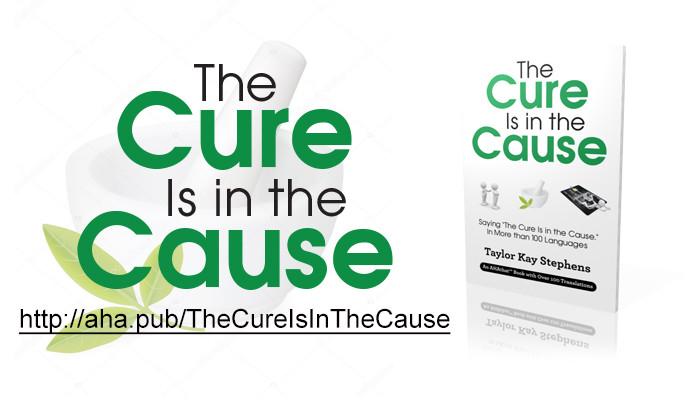
Instead of seeking a remedy for your misfortunes, consider identifying the underlying causes that precipitated the issue. According to the saying that Taylor Kay Stephens has adopted, "The Cure Is in the Cause." So, take a look back and explore deeper. Put an end to the cycle by identifying the true source of the problem, as each one stems from a specific cause.
So much is wasted when we ignore the advise to listen to and explore our symptoms as the first approach toward a remedy. For example, depression, anxiety, badness, and unhappiness all heal themselves once their underlying causes are recognized and their emotional conflicts resolved. In this case, the calling of a mental disorder is to "know thyself".
The appeal is not for a dimming of your senses through drugs, short cures, or hasty action, but for a broadening of your consciousness, so that you can benefit from your psyche's inherent wisdom and learn more regarding what is meaningful and fundamental to you at its heart.
Illness is a journey, not a destination, and those who dare to discover its message will be richly rewarded and transformed.

Ibrahim Traore, a Fulfilment of a Revolutionary’s Enduring Prophecy and the Emerging Face of True Pan-Africanism

1984: Is Kenya Descending into Orwell's Dystopian world?

Kissinger Report, the Diabolical Policy Agenda to Depopulate Africa

Increasing Domestic Borrowing Starves Kenyans Access to Private Business Loans

Push for a Cashless Society Threatens More Control, Taxation, and Surveillance of the Citizens
Money Lies That Keep You in Poverty