
Victor Koech
June 4, 2024
Some people argue that race is a biological reality, while others believe it is a social construct. Fortunately, modernity provides scientific insight by looking at our DNA to address this friction.
In this era of genetics, where people swab their cheeks to determine their ancestors' origins and science has glossed over racism, many people are perplexed by race. People may find it difficult to reconcile the idea that sickle cell anemia is a social construction with the widespread belief that it primarily affects Black people. Also, isn't the fact that 23andMe can provide information about your ancestry evidence that race exists on a biological level?
The concept of categorizing humans has existed for a long time. Aristotle, a Greek philosopher, proposed a hierarchical classification for living things. In his mind, some people were destined to be kings, while others were born to be slaves. A few races were recognized in the 1700s: Africans, Asians, Native Americans, and Caucasians. Some even recognized Pacific Islanders as a fifth race. It was not only a horizontal classification, but also a vertical one. It was undoubtedly made easier to treat Africans during the slave trade to believe that they were biologically inferior to Caucasians.
A useful way to define race is as a group of people thought to have similar biological characteristics. Crucially, this view differs depending on the culture; after all, this isn't a black-and-white decision. Pardon the pun. When determining race based on skin color, where is the line drawn? The lack of clarity stems from the gradient nature of skin colour.
However, since genes determine our skin, hair, and eye colors as well as other physical characteristics, doesn't our DNA have some bearing on race?
Variants, or minor differences between individuals, litter our cells' DNA, accounting for a lot of our physical characteristics as well as our susceptibility to disease. It's as though we are all reading the same book, but, in some cases, (like "color" versus "colour"), my copy has a few typos and regional spelling variations that yours does not. Genetic variability refers to the total number of DNA differences between individuals.
However, it turns out that humans have less genetic diversity than most animals, including chimps, our closest genetic relatives. It is a fact that the DNA sequences of any two unrelated humans on the planet are 99.9% similar. Only 0.1% varies, and this is the most important takeaway message of all. It also happens to be the result on human variation that has been replicated the most in the scientific literature.
Almost all (95.7%) of the 0.1% variation happens between people of the same race. So, despite what our eyes see, there is more genetic diversity inside a race than between races! How fascinating, right?
This is a major flaw in the claim that race is a biological reality. With one notable exception—skin color—this finding—that there is greater diversity within groups than between them, holds true for the majority of physical characteristics. Why? Skin color is subject to strong selective pressure. The degree of protection that darker skin provides against sunburn, skin cancer, and other related damages varies based on our distance from the equator.
Individuals who had naturally darker skin had higher reproductive rates and were better adapted to their surroundings. It is not because they belong to the same biological race that Maasai and Aboriginal Australians have very dark skin; rather, it is because they have spent generations living under intense sunlight. So, skin color does not imply that race is a biological reality.
The physical toll of prejudice, poverty, proximity to hazardous waste sites, insufficient healthcare access, behavioral differences, and other factors contributes to racial health disparities within nations. It's important to remember that race exists, even if it's not biological. Our perception of it has real implications for the health of others because of how we treat them.
Thus, while some doctors continue to use race as a useful proxy, this assumption carries the risk of withholding effective treatment from some while providing ineffective treatment to others. Socioeconomic factors—culture, behavior, and a patient's ancestry—are more informative. Francis Collins, the director of the Human Genome Project consortium, once said, "race is a flawed surrogate."
For example, what do you think an Irish man's race is? You most likely replied "white," but a century ago, the response would have been "Irish." Back then, the civilised world saw the Irish as a distinct race. Evidently, racial categories shift over time.
Perhaps more so in Britain than in North America, is the belief that Indians and Pakistanis are members of the Asian race. However, in terms of DNA, they are closer to Europeans than to East Asians. Racial categories do not accurately reflect biological reality.
Race is an actual concept that we use as social beings. We cannot determine whether our genes reflect our race. Biological ancestry, as opposed to race, is real. Our DNA (to some extent) indicates where our forefathers came from, but ancestry does not map onto race, not even close.
In our minds, the three continents of Europe, Africa, and East Asia form a tight triangle, similar to the Olympic rings, with very little overlap. However, genetic studies consistently show the opposite. They are, of course, rings, but they almost completely overlap.
So, to summarize, no humans are "black" or "white." Since "black" and "white" are not biological terms, there is no actual reference to "DNA" to analyze, which makes answering this question practically impossible given those constructs. Humans don't come in "white" or "black." Since humans can only produce melanin in two primary colors—red and brown—they do come in a spectrum of intermediate tones. "White" and "black" are artificial categorizations, sometimes incorrectly referring to superficial tone, but more often to specific ethnic backgrounds or ancestors.
Our differences are largely unrelated to our conceptions of race; in fact, we are far more alike than we realize. This is the sad but true reality of life.
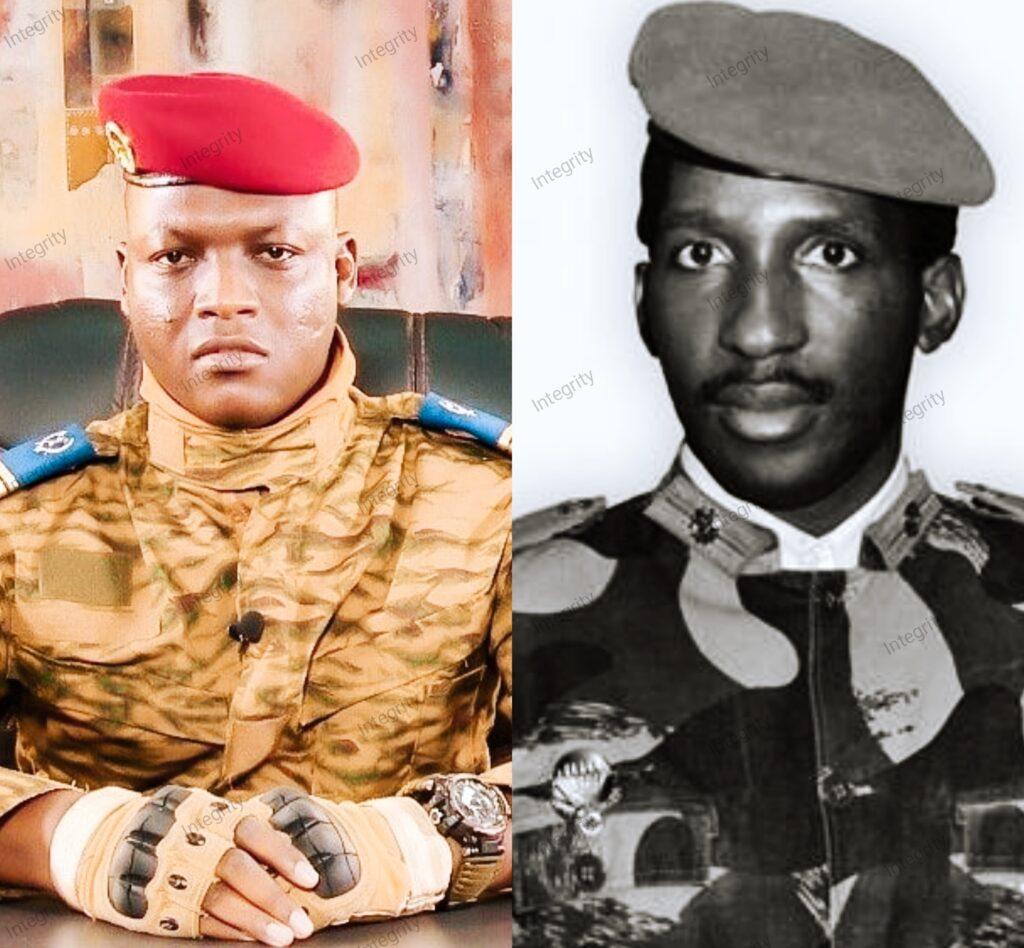
Ibrahim Traore, a Fulfilment of a Revolutionary’s Enduring Prophecy and the Emerging Face of True Pan-Africanism
1984: Is Kenya Descending into Orwell's Dystopian world?
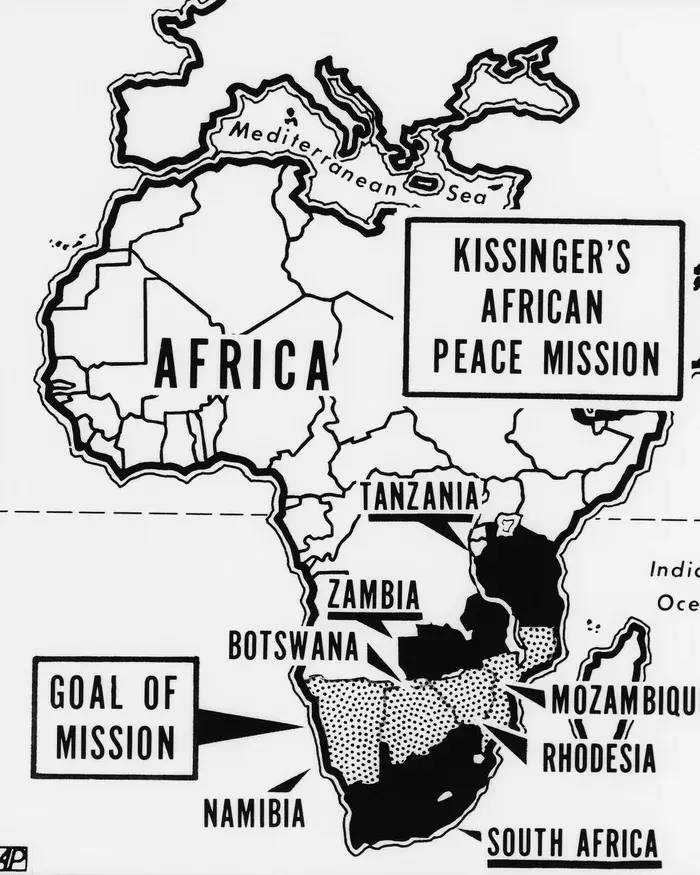
Kissinger Report, the Diabolical Policy Agenda to Depopulate Africa
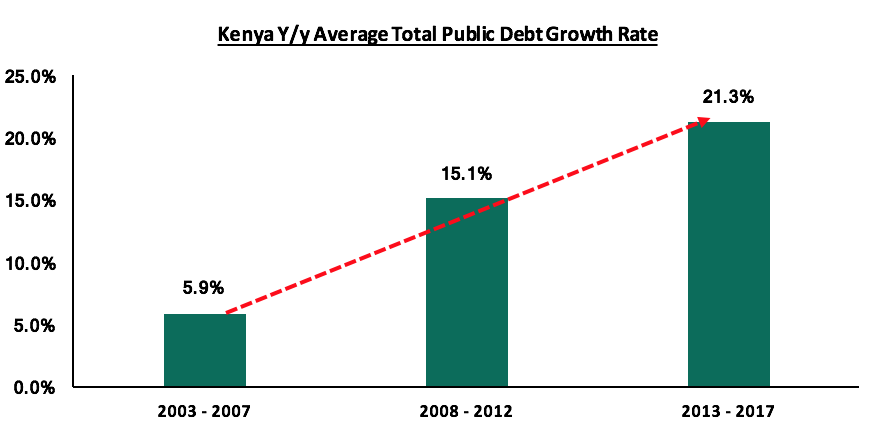
Increasing Domestic Borrowing Starves Kenyans Access to Private Business Loans

Push for a Cashless Society Threatens More Control, Taxation, and Surveillance of the Citizens
Money Lies That Keep You in Poverty