
Victor Koech
July 26, 2024
Kenya is currently at a crossroads. Discontent with the proposed Finance Bill has generated a new wave of youth-led peaceful protests, known as the Gen-Z Revolution, and it has exposed long-simmering, unsolved political, economic, and social problems that affect our entire community. Dissatisfaction and protest have only grown more pronounced when suspected Gen-Z organisers and leaders are ignored, written off, or subjected to kidnapping, murder, or detention. And for a better Kenya, there has never been a better moment to take the ruling elite on directly.
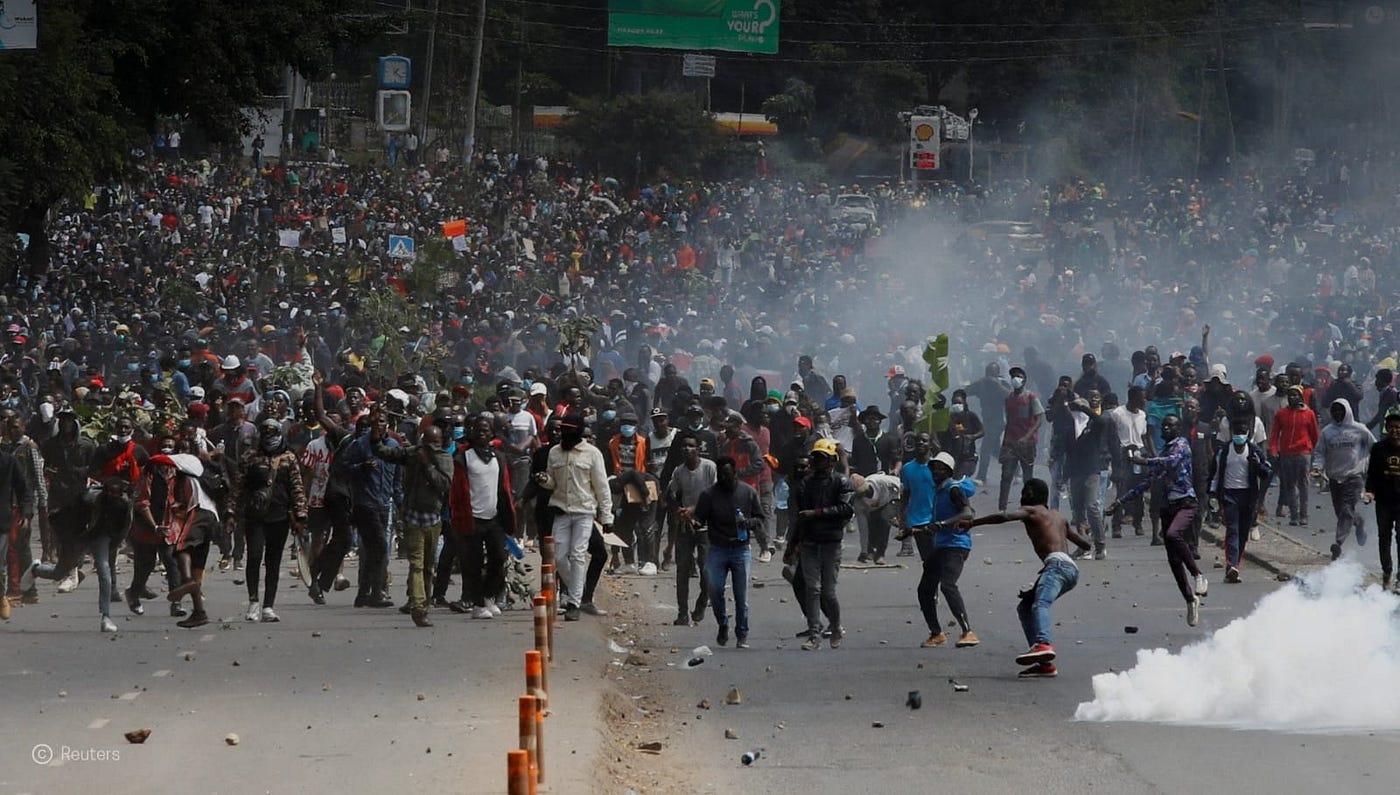
The Kenya National Commission on Human Rights stunned the nation on July 1st by announcing at midnight that, since the anti-finance bill protests began on June 18, 361 people had been hurt and 39 people had died. Although the Gen-Z protestors themselves followed Article 37 of the Kenyan Constitution, which calls for nonviolent, peaceful demonstrations, the police were the ones who carried out these executions. The Commission also referenced 627 arrests of demonstrators and 32 instances of forced or involuntary disappearances.
Similarly, 24 people were killed by police in Kenya, and the news was broken to the public by the Police Reform Working Group, six national groups representing journalists, lawyers, medical professionals, and content creators (such as the Law Society of Kenya, along with the Bloggers Associations of Kenya), and over twenty-two groups fighting for citizens' rights. These consist of the Kenya Human Rights Commission, Amnesty International, the Defenders Coalition, and the Independent Medico-Legal Unit. The disparities in the fatality counts were explained by the victims' families meticulous authentication of the data on deaths at Rongai in Kajiado along with other areas prior to releasing it.
The high number of casualties, injuries, and reported disappearances prompts grave questions regarding the application of human rights standards for protest police and public order management laws. The government should be held accountable for protecting the rights of protesters by ensuring their safety. The protection of democracy, human rights, basic freedoms, and the rule of law must be maintained in the sake of national security, as stated in Article 238(2)(b).
A troubling pattern of brutality by law enforcement as well as an absence of accountability is demonstrated by the happenings of the previous month in every region of Kenya. While peacefully assembling as guaranteed by the constitution, unarmed protestors were met with batons, tear gas and live bullets by the police. Only a force that views its intended benefactors and protectors as enemies would take such tactics.
We must never forget why young Kenyans spontaneously organised and poured onto the streets unarmed, despite the startling response from the government.
The Gen-Z generation, who today speak for all Kenyans, has bemoaned the incapacity, corruption, and lack of accountability of both the country's political leadership in the past and present. Those chosen and/or nominated to lead public institutions have mastered the story of their dedication to public service, in spite of their greed. Everyone who depends on public institutions as well as national resources has suffered as a result of their unquenchable desire to enrich oneself.
There hasn't been any relief since COVID-19's catastrophic effects on the populace and economy. For families who would not normally need assistance, floods and drought have brought unspeakable suffering. The true issue, though, is the destruction brought about by corruption, the ruling class's gluttony and the ensuing high taxes, and the growing public debt that is required to support their lavish lives. Global organisations like the World Bank and IMF are to force austerity measures upon a populace that is already poor, while the rulers' haughtiness and impunity have caused even more suffering.
Anger, oppression, and hopelessness have been bred into a generation of young people by poverty, unemployment, and a lack of options. Of course, it was bad policy to try to impose more taxes on a segment of the unemployed and impoverished who were already struggling with the heavy cost of living.
It is not unreasonable for Gen-Z to publicly demand accountability for how we use the resources at our disposal. Kenya has the highest taxes in the sub-region; where are the resources that result from this affluence go? What is the function of the borrowed funds, sometimes known as the national debt? To ensure accountability and justice, we need to examine who is responsible for what, re-examine the cases of powerful individuals whose corruption accusations the Director of Public Prosecution dismissed, and move quickly and decisively to improve the economy and society.
It is concerning that no substantial investigations or convictions of the officers along with their commanders implicated in these heinous acts have taken place, despite abundant proof of misbehaviour by law enforcement organisations. Independent investigations have been demanded by the Law Society of Kenya in addition to civil society organisations, but officials have disregarded these requests, downplaying the events and placing the blame on the demonstrators for inciting violence or damaging both public and private property.
Therefore, individuals in positions of authority need to act quickly to guarantee that the police are held accountable for their actions before addressing the economic issues that caused these protests. It is crucial to conduct independent enquiries into instances of cruelty. To stop such abuses, we need to hold those accountable and put systemic changes into place.
If President William Ruto is to successfully complete his term in office, his only saving grace lies in pursuing inclusive governance along with a radical shift towards focussing on the grievances of the people. Kenya has the capacity to overcome this period of turmoil, but solely if we pledge to respect democratic and human rights ideals. The state needs to accept that its people are not enemies to be subjugated. Not only is justice the moral thing to do, but it is also necessary for the stability and development of our country.

Ibrahim Traore, a Fulfilment of a Revolutionary’s Enduring Prophecy and the Emerging Face of True Pan-Africanism
1984: Is Kenya Descending into Orwell's Dystopian world?
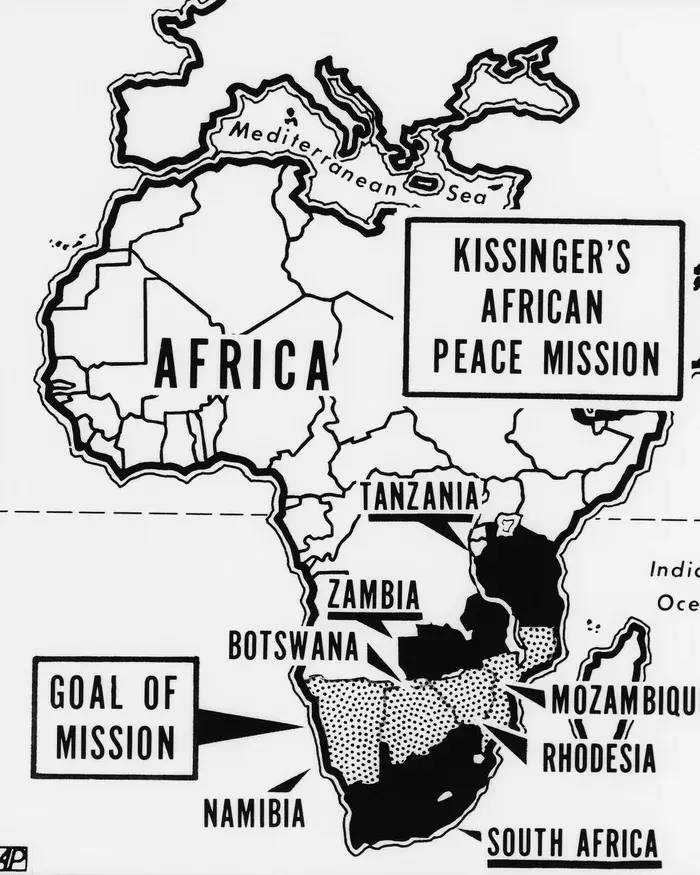
Kissinger Report, the Diabolical Policy Agenda to Depopulate Africa
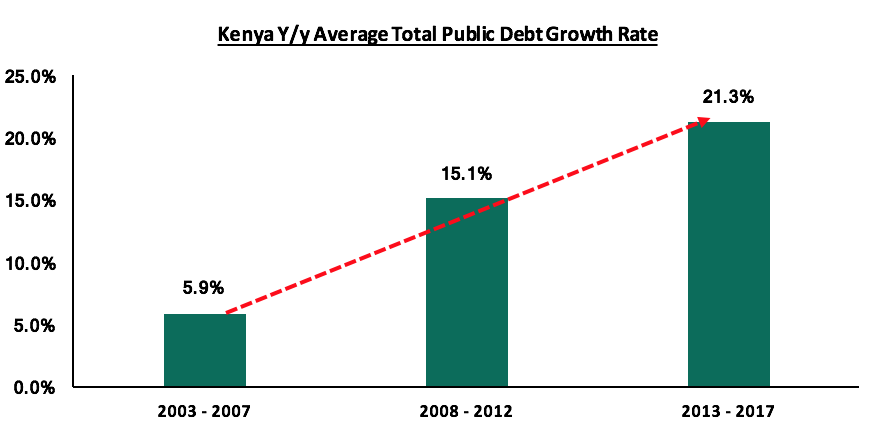
Increasing Domestic Borrowing Starves Kenyans Access to Private Business Loans

Push for a Cashless Society Threatens More Control, Taxation, and Surveillance of the Citizens
Money Lies That Keep You in Poverty