

Victor Koech
June 4, 2024
In the global pursuit of environmentally friendly substitutes for conventional fossil fuels, hydrogen-powered vehicles have surfaced as a potentially viable option, providing transportation with zero emissions and clean energy.
There is a lot of discussion about hydrogen cars taking the place of electric cars to rule the road. The majority of enthusiasts question whether or not hydrogen-powered automobiles will truly rule the road in the future or if hydrogen fuel cell electric vehicles (FCEVs) will be defeated by battery electric vehicles (BEVs).
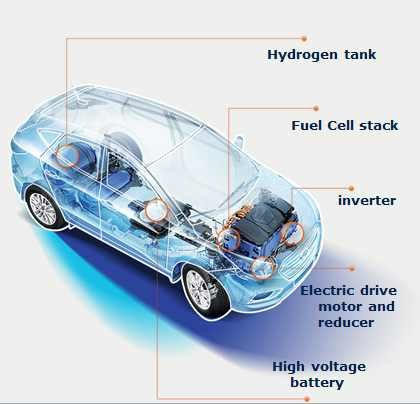
Alternative fuels like hydrogen and electric cars are better for the environment than fossil fuels like diesel and gasoline. Fuel cells are used in hydrogen cars to transform hydrogen gas into electric current, which enables the motor to function effectively. Electric cars, on the other hand, run on batteries that are charged by electrical grids. Compared to hydrogen cars, electric cars are more widely available and have a larger user base. On the other hand, because hydrogen cars can be refueled quickly and provide a lot of energy to travel farther, they are gradually gaining popularity.
So, what is the promise of hydrogen cars? Fuel cell technology is used by hydrogen cars to transform hydrogen gas into electricity, with the only byproduct being water vapor. Compared to traditional gasoline and battery-powered cars, this innovative method has a number of benefits, such as quicker refueling times, greater driving ranges, and less environmental impact. The potential of hydrogen cars to revolutionize the transportation industry and promote sustainable growth is attracting the attention of innovators and entrepreneurs more and more.
Fuel cells, which electrochemically transform hydrogen gas and oxygen from the air into electricity to power the vehicle's motor, are the foundation of hydrogen car technology. Because of their high efficiency and lack of harmful emissions, hydrogen cars are a desirable alternative for consumers who care about the environment. The viability and performance of hydrogen cars are being further advanced by innovations in fuel cell design, hydrogen storage, and infrastructure, which is opening the door for their widespread adoption.
The market for hydrogen-powered vehicles is growing quickly worldwide, and major automakers are heavily investing in R&D to bring models to market. Commercial hydrogen vehicles have already been introduced by automakers like Toyota, Honda, and Hyundai, and entrepreneurs and startups are currently investigating new uses and business strategies for the technology. Entrepreneurs can benefit from this expanding market by inventing new technologies, constructing infrastructure, and offering hydrogen car owners value-added services.
What are the main challenges and considerations? Notwithstanding the potential of hydrogen-powered vehicles, a number of obstacles still need to be overcome, such as expensive production costs, inadequate infrastructure, and a shortage of hydrogen fuel. To fully realize the potential of hydrogen cars, innovators and entrepreneurs need to get past technical obstacles, secure funding, and negotiate regulatory obstacles. To accelerate adoption and scale the hydrogen economy, cross-sector cooperation, public awareness campaigns, and government support are essential.
The revolutionary potential of this technology is already being demonstrated by a number of forward-thinking businesses and organizations who are making progress in the hydrogen car industry. Case studies showcasing the capabilities and practical uses of hydrogen cars in diverse markets include those for Toyota's Mirai, Honda's Clarity Fuel Solutions, LLC, and Hyundai's Nexo. Furthermore, programs like the European Hydrogen Highway and the California Fuel Cell Partnership provide insightful information on market adoption tactics and infrastructure development.
How is the future outlook of hydrogen cars? The popularity of hydrogen vehicles indicates that electric and emission-free transportation will become more common in the future. Driven by innovation, collaboration, and market opportunities in the hydrogen car ecosystem, innovators and entrepreneurs have a rare chance to shape this future. We can create a more robust and sustainable transportation system that will benefit future generations as well as society and the environment by embracing hydrogen technology.
To sum up, hydrogen cars are a disruptive force in the automotive sector because they provide a more effective and environmentally friendly substitute for conventional gasoline-powered cars. Entrepreneurs and innovators are essential to the development of hydrogen car technology, market acceptance, and the direction of transportation in the future. Through accepting the possibilities and tackling the obstacles, we can create the conditions for a road-based hydrogen-fueled revolution.

Ibrahim Traore, a Fulfilment of a Revolutionary’s Enduring Prophecy and the Emerging Face of True Pan-Africanism

1984: Is Kenya Descending into Orwell's Dystopian world?

Kissinger Report, the Diabolical Policy Agenda to Depopulate Africa
Increasing Domestic Borrowing Starves Kenyans Access to Private Business Loans

Push for a Cashless Society Threatens More Control, Taxation, and Surveillance of the Citizens
Money Lies That Keep You in Poverty