
Victor Koech
February 8, 2024
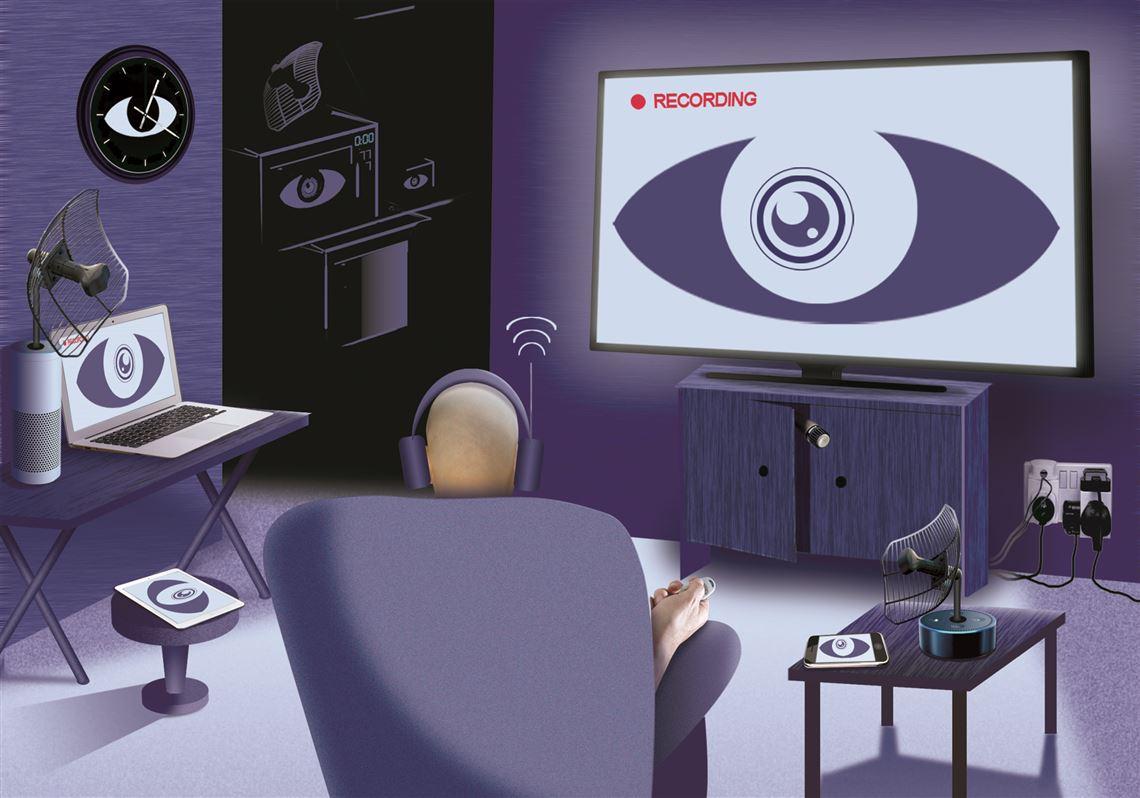
Is it a fair trade? We have somewhat traded our privacy for the convenience offered by technology. Nowadays, there is a social network for almost every aspect of human social life, with new types and forms constantly emerging, seeking its niche audience. Can we even say that our lives are our own anymore? If a person, ten thousand miles away can retrace your every step due to our tendency to post every bit of our lives on the social media platforms, then we are clearly living for the collective consciousness and not as individuals. The main media platforms which include Facebook, Twitter, and Instagram have transformed the human society into a kind of a hive mind where everyone’s phone is like an extension of our eyes, ears and thoughts. It is as if we have developed a rudimentary form of omni-presence because we can now be aware of situations in varying geographical locations in real time. The smartphones and the social media platforms have given a new meaning to the famous statements that stated, “the world has become a global village”. As a result of the wild technological innovations, the world has truly become a village, in every sense of the word except for the geographical separation. But in even in a village, each family enjoyed its own degree of privacy from the rest of the village, and shockingly enough, the same cannot be said for the ‘global village’ that is our social world today.
Currently, our interests that used to be the privy of close friends and family are known by Facebook. The information and knowledge that we used to search for within the private intentions of our thoughts are known by Google. Recently, the report that China uses the Tiktok app to steal the most private details pervaded our media rooms. One might doubt that these companies access such data because we are protected privacy agreements. But I will point out to the fact people rarely read the terms of service signed while installing the apps. Perhaps, the tech companies provide such long terms of service agreements to prevent us from reading the whole statement. It is naïve to think that the privacy agreements to our data remains private as promised by the tech companies because all they promise is that, our data is protected from misuse by any malicious parties. But, what about the right use by benevolent parties? Will we even notice such use? Because, we tend to only notice things when something goes wrong. Even when a teacher is marking exams, he will only notice cheating if a wrong answer appears consistently for a question rather than if the whole class copied the right answer from one student. But still, a wrong thing was done by the students. Therefore, it is not ill-conceived to declare that there are wrongful uses of our data that we can neither perceive nor conceive.
It is also ridiculous that even if we noticed any misuse of the data, most of the us will not particularly care and we will shrug it off as quickly as the next Twitter hashtag. This evident from the many cases of data bridge exposes that included Snowden files, Wikileaks, phone hacking scandals, the last accusation of Facebook’s sell of user data. Most of us saw such news with poignant indignance that lasted briefly before our short attention spans were hijacked by another playful kitten video. So, which is the case? Is it that we do not care about our privacy or do we think nothing of our private lives in the social media that can affect us? Or maybe we simply do not understand the implication of privacy concerning such benign actions like liking certain posts, viewing certain videos, and posting certain kind of content. I personally concur that were all wallowing in our own ignorance on privacy. We may have failed to see how we may have become puppets to future agendas that are beyond our comprehension. I was immensely shocked by a documentary I watched concerning social engineering, in which it was reported that Cambridge Analytica used user data to ensure the win of President Trump in some states. Thus, we perhaps must pay more attention to our privacy especially as we are ushering the next stage in human civilization is subject to data superiority. Remember, dominant civilizations conquered and subjugated weaker ones by political superiority driven by brute force, economic superiority driven resource abundance, and now, the age data superiority driven by amassed data is nigh. Furthermore, we lost our privacy too quickly, within a matter of a decade hence we have not had time to fully conceptualize the cultural and psychological implications of the termination of privacy. We should be wary for we might wake one day and realize trading privacy for technology was never a fair trade after all.

Ibrahim Traore, a Fulfilment of a Revolutionary’s Enduring Prophecy and the Emerging Face of True Pan-Africanism
1984: Is Kenya Descending into Orwell's Dystopian world?
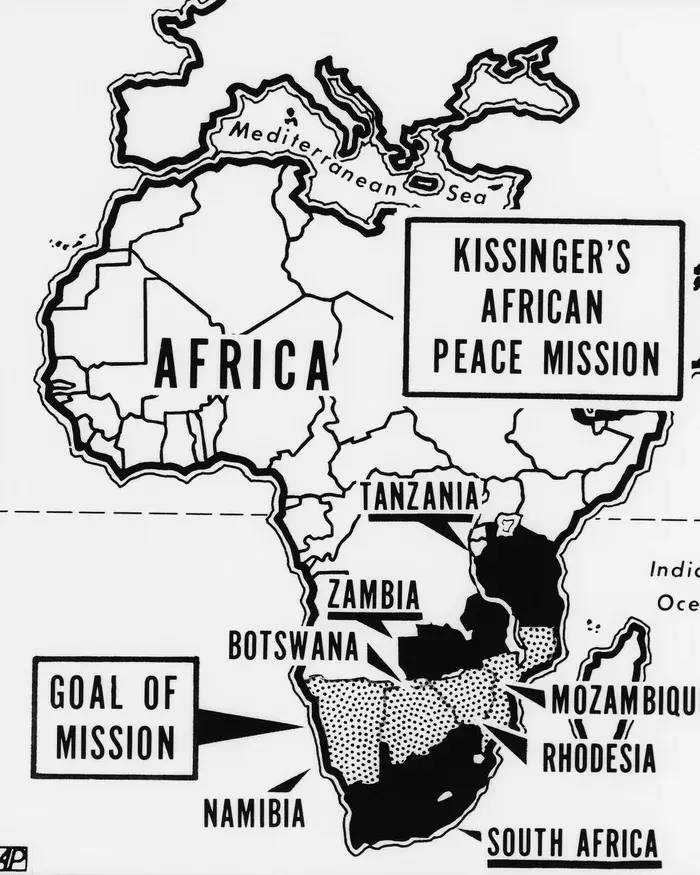
Kissinger Report, the Diabolical Policy Agenda to Depopulate Africa
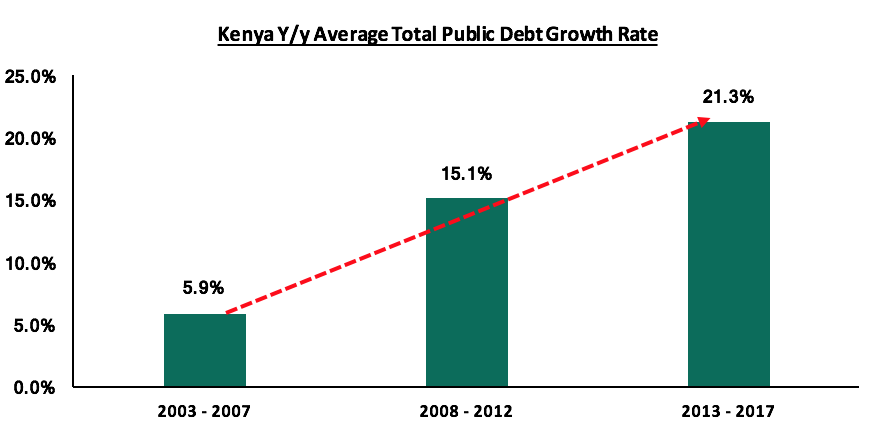
Increasing Domestic Borrowing Starves Kenyans Access to Private Business Loans
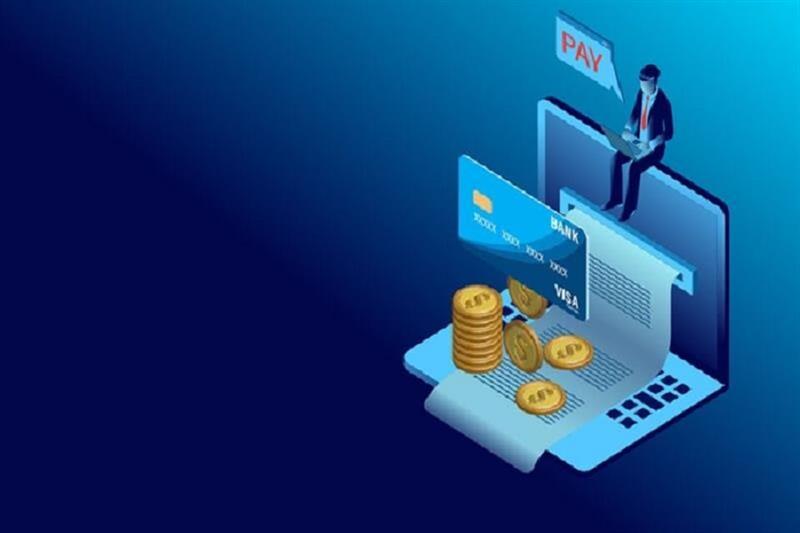
Push for a Cashless Society Threatens More Control, Taxation, and Surveillance of the Citizens
Money Lies That Keep You in Poverty