
Victor Koech
March 8, 2024
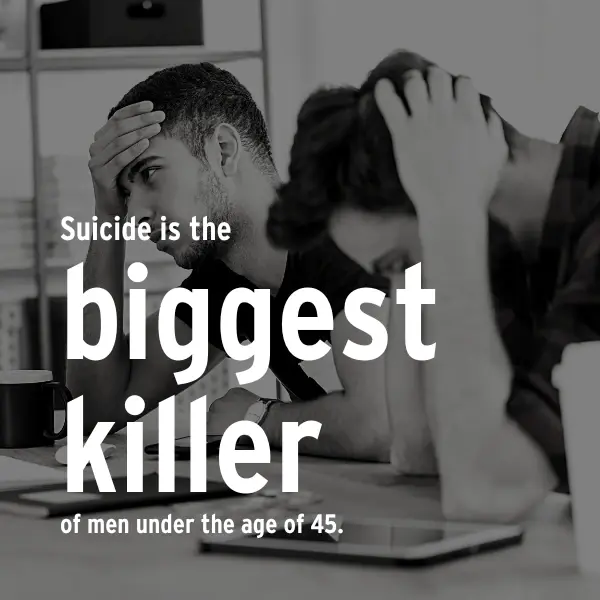
Suicide is the single leading cause of death among males under the age of 45, and it is an epidemic that we cannot afford to ignore. From financial concerns to professional troubles, men's proclivity to bottle things up, as well as a culture that places an excessive importance on male obligations, have allowed this silent but lethal murderer to continue taking the lives of men worldwide. And, with the current cost of living problem combined with the transition to a post-pandemic world, it's a setting ripe for anxiety, sadness, and, at worst, loss of life.
The alarming statistic that suicide is the leading cause of death for men under the age of 45 highlights a profound and often missed reality: being a man in today's world is not easy. While societal standards and expectations of masculinity have changed throughout time, many men continue to face enormous demands and obstacles that can have a substantial impact on their mental health and well-being. Suicide is a difficult and delicate matter, with numerous causes influencing someone to take such drastic action. Generalizing across situations is a folly, but it remains unclear why men commit suicide at such a higher rate.
For years, cultural expectations have pushed men to "man up." They are expected to be tough, and admitting that you are not okay is considered a weakness. Women are generally labeled as "emotional," whereas men are discouraged from expressing themselves. It began in childhood, when we were told that guys do not cry. Historically, men have been less likely to seek mental health treatment. This is likely due to a variety of factors, including stigma and the classic "strong male" stereotype that is still widespread in our society—the belief that exhibiting emotion is a sign of weakness.
The widespread stigma associated with mental health difficulties is one of the key factors contributing to men's high suicide rates. Boys are frequently socialized from an early age to repress their emotions and conform to traditional conceptions of masculinity that emphasize toughness, stoicism, and self-reliance. As a result, many men are hesitant or humiliated to get help whether they are suffering from depression, anxiety, or another mental health problem. Rather than seeking help, individuals may try to deal with their problems on their own, resulting to feelings of loneliness and despair.
Furthermore, cultural expectations place a significant strain on males to perform specific roles and obligations in both their personal and professional life. Men are frequently expected to be the primary breadwinners, achieve in their employment, and provide for their families financially. These expectations can cause significant stress and worry, especially in a society where economic instability and employment uncertainty are becoming more widespread. When life's stresses are very intense, many of the causes listed above contribute to men becoming more vulnerable to suicide. Our poll of 1,000 men revealed that work demands (32%) and financial pressures (31%) were the two most significant negative factors affecting men's mental health. Furthermore, the pressure to comply to established gender stereotypes can make males feel limited and unable to express themselves authentically, resulting to frustration and dissatisfaction. Men tend to see themselves as failures if they are unable to provide for their family. According to study, suicide rates rise during economic downturns, putting males at greater danger if they lose their jobs.
Also, men experience specific obstacles in establishing and keeping social connections. According to research, men have fewer support networks than women and are less likely to seek emotional help from friends and relatives. This lack of social support can worsen feelings of loneliness and isolation, raising the possibility of depression and suicidal ideation.
Another factor contributing to men's high suicide rates is a reluctance to identify or handle mental health issues in male-dominated institutions like the military or specific industries. In these environments, seeking help for mental health issues may be interpreted as a sign of weakness or vulnerability, discouraging males from seeking help.
In general, when occupational stigmas, a refusal to speak up, and the risk of substance misuse combine with a significant upheaval in someone's life, the risk of suicide rises considerably.
To summarize, the fact that suicide is the leading cause of death for males under the age of 45 underlines the significant obstacles and demands that men experience in today's society. Men encounter a complicated set of challenges that can have an influence on their mental health, including the stigma associated with mental health concerns and societal expectations of masculinity. Addressing these difficulties would necessitate a coordinated effort to challenge outmoded gender conventions, foster open discussions about mental health, and give accessible tools and help to men in need. Only by acknowledging and addressing the unique obstacles that men confront can we begin to build a world in which all people, regardless of gender, can enjoy healthy, fulfilling lives.

Ibrahim Traore, a Fulfilment of a Revolutionary’s Enduring Prophecy and the Emerging Face of True Pan-Africanism

1984: Is Kenya Descending into Orwell's Dystopian world?
Kissinger Report, the Diabolical Policy Agenda to Depopulate Africa
Increasing Domestic Borrowing Starves Kenyans Access to Private Business Loans

Push for a Cashless Society Threatens More Control, Taxation, and Surveillance of the Citizens
Money Lies That Keep You in Poverty